
The New Technology That’s Helping NYCHA Repair Old Piping
The teams who oversee NYCHA’s underground water and fire-protection systems are tasked with finding and fixing underground leaks within those systems as quickly as possible – leaks which can occur anywhere, at any time. In NYCHA’s massive, aging network of pipes and plumbing, this challenge is further complicated by the fact that so much hardware is buried under tough-to-excavate streets, sidewalks, and even whole buildings.
To improve how such repair work gets done, NYCHA engineers are always on the lookout for helpful new technologies. One of the most promising that has been added to the NYCHA toolbox this year is the “Radio Frequency Correlator.”
According to NYCHA’s Senior Director of Fire Safety Joe Terranova, the new and inexpensive Radio Frequency Correlator is already doing significant “heavy lifting” for the Authority.
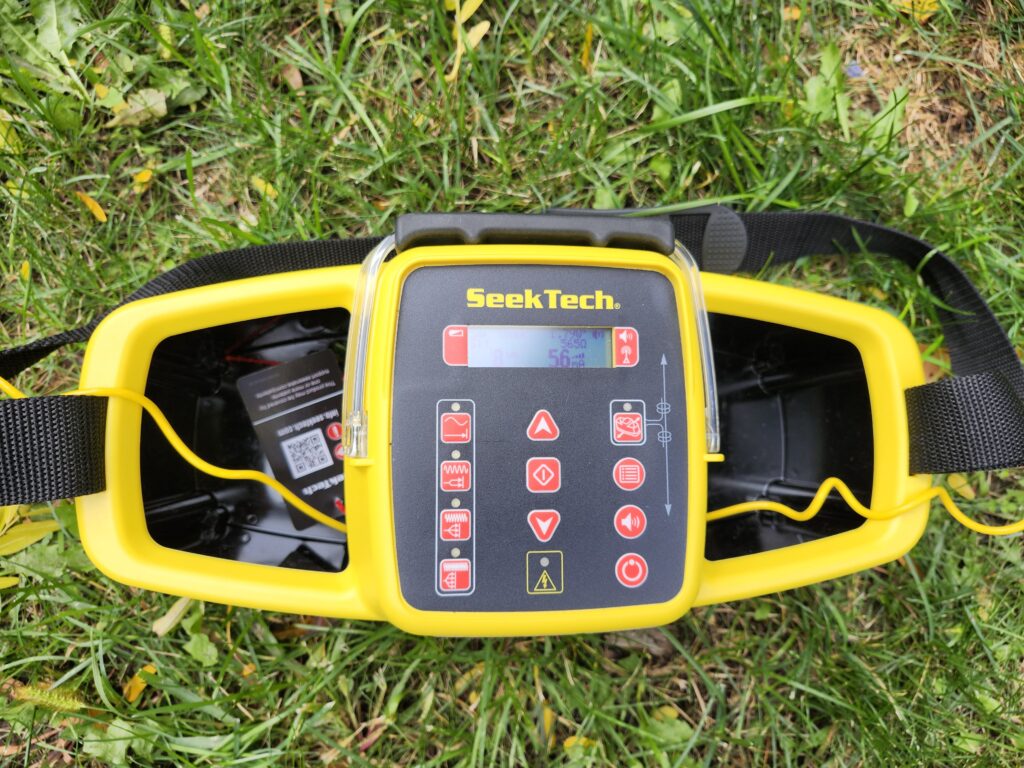
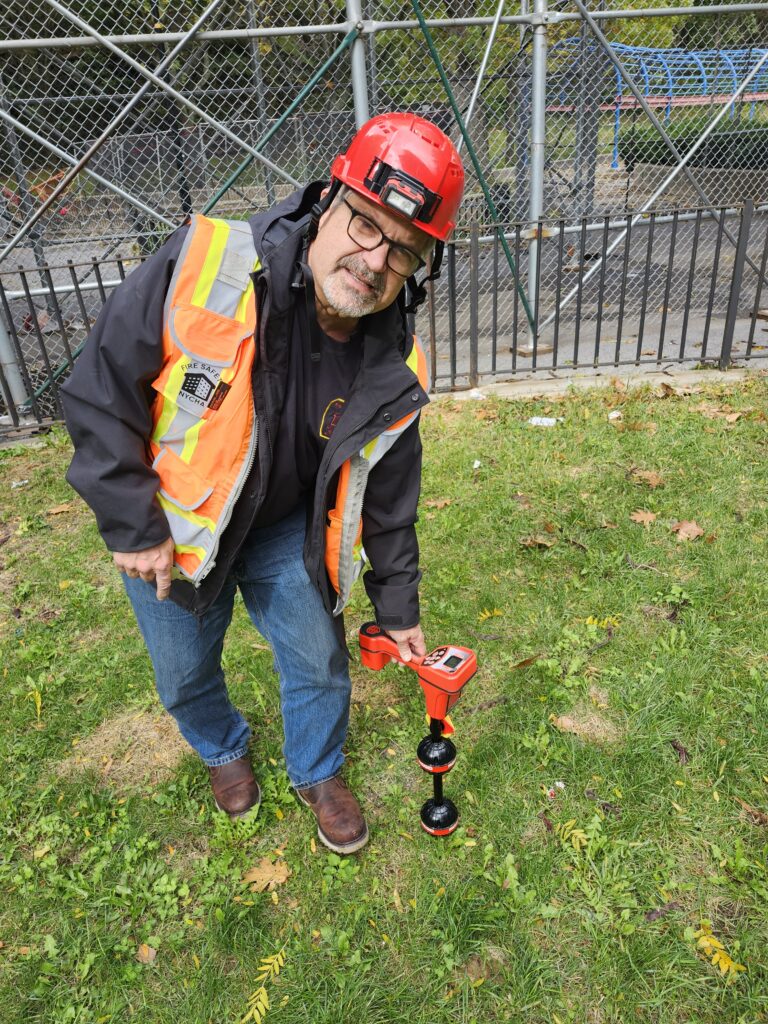
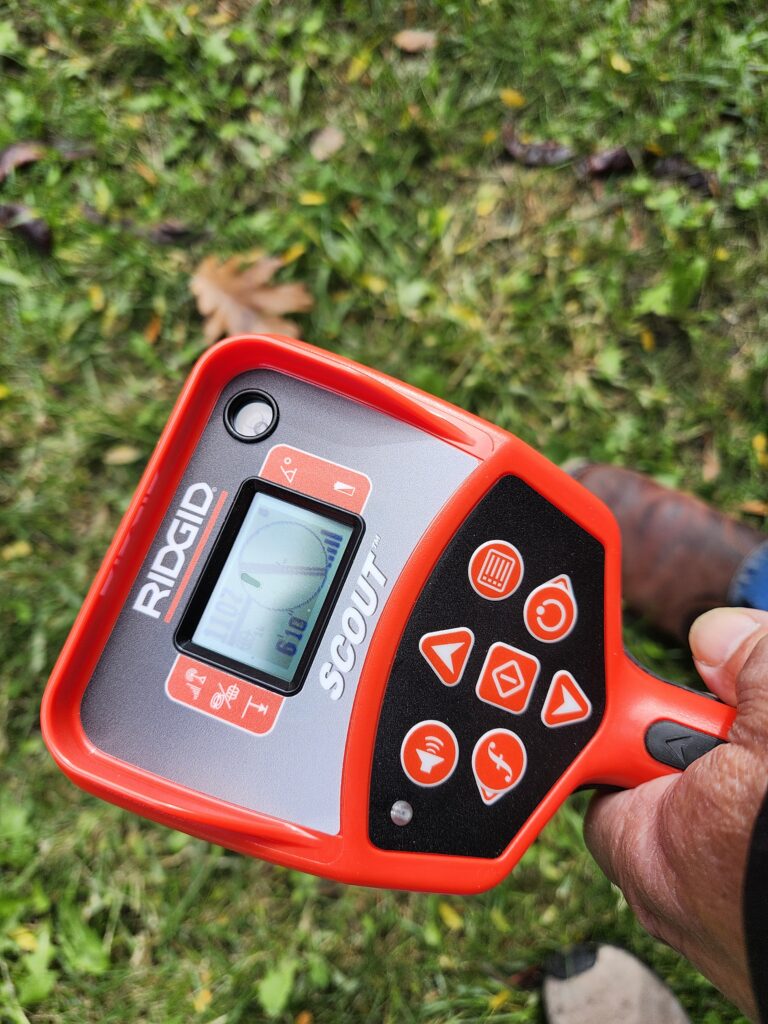
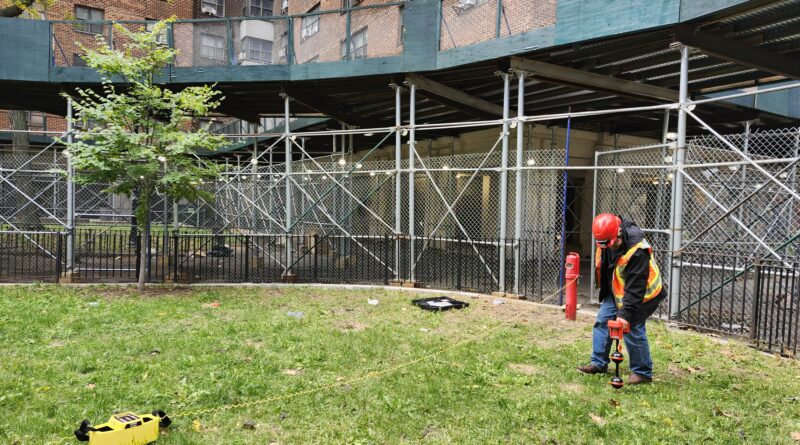
Supervisor of Mechanical Installations Bohdan Geba using NYCHA’s new “magic wand” (the Radio Frequency Correlator) to find and fix leaky pipes.
“The Radio Frequency Correlator does its work by turning the buried pipe into a big transmitting radio antenna,” Mr. Terranova said. “You start by attaching a 10-watt radio frequency (RF) transmitter to a section of pipe where it’s accessible – it’s usually where the underground main enters a building — and then just follow the radiating signal.”
To clarify the process, Mr. Terranova said: “It’s simple. You just take the magic wand – the RF receiver—and then you scan the ground back and forth, and you read the signal strength. As you get closer to the pipe, the signal strength goes up. And as you go away, the signal strength goes down.” When deployed, Terranova explained, it looks like when someone is using a metal detector to find buried treasure.
By using multiple frequencies and directional sweeps, staff can map a pipe’s horizontal location within inches and closely estimate its depth below grade level, often without breaking any walls or street surfaces.
“You could say that it’s a way to use x‑ray vision, using radio frequency identifiers to find where you’re going,” Mr. Terranova said.
He explained that while the large pipe breaks may be more dramatic and seem like a bigger problem, they are also usually much easier to locate. It’s the smaller breaks and leaks, the ones that travel under streets and sidewalks and then resurface far from a break’s actual location, that are more challenging to address.
Targeted diagnostics using the Radio Frequency Correlator have already measurably reduced the need for repeat excavations and repairs. And when the Correlator is deployed inside a building, Mr. Terranova explained, it can find and follow the pipes that run behind walls and floors, reducing the need for exploratory work there as well.
“Bottom line? The Correlator is helping me plan more effectively and appropriately – and less expensively,” he said.
Or, to use Mr. Terranova’s favorite catchphrase: with their new and groundbreaking – or maybe we should call it “NOT-groundbreaking” – Radio Frequency Correlator, the NYCHA team has just gained one more great way to “Work Smarter, Not Harder.”


