
NYCHA Reaches Major Milestone in Unprecedented Elevator Replacement Effort
For most New Yorkers, elevators are an everyday convenience — noticed only when they fail. For NYCHA residents, however, elevators are essential infrastructure, relied upon daily by seniors, parents with strollers, and anyone carrying groceries home after a long day. In apartment living, elevators provide access not only to home but also to ease of living and dignity.
Which is exactly why NYCHA’s latest elevator-management milestone deserves special recognition. As of December 2025, NYCHA had replaced more than 275 elevator cars since the U.S. Department of Housing and Urban Development agreement was adopted, achieving a critical benchmark in a large-scale modernization effort designed to improve service, reduce outages, and strengthen building infrastructure across the Authority’s portfolio.
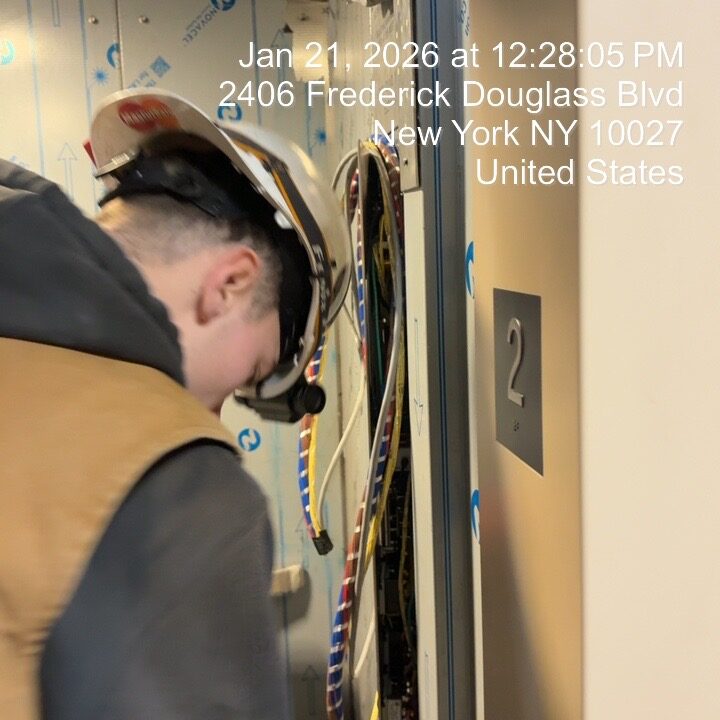
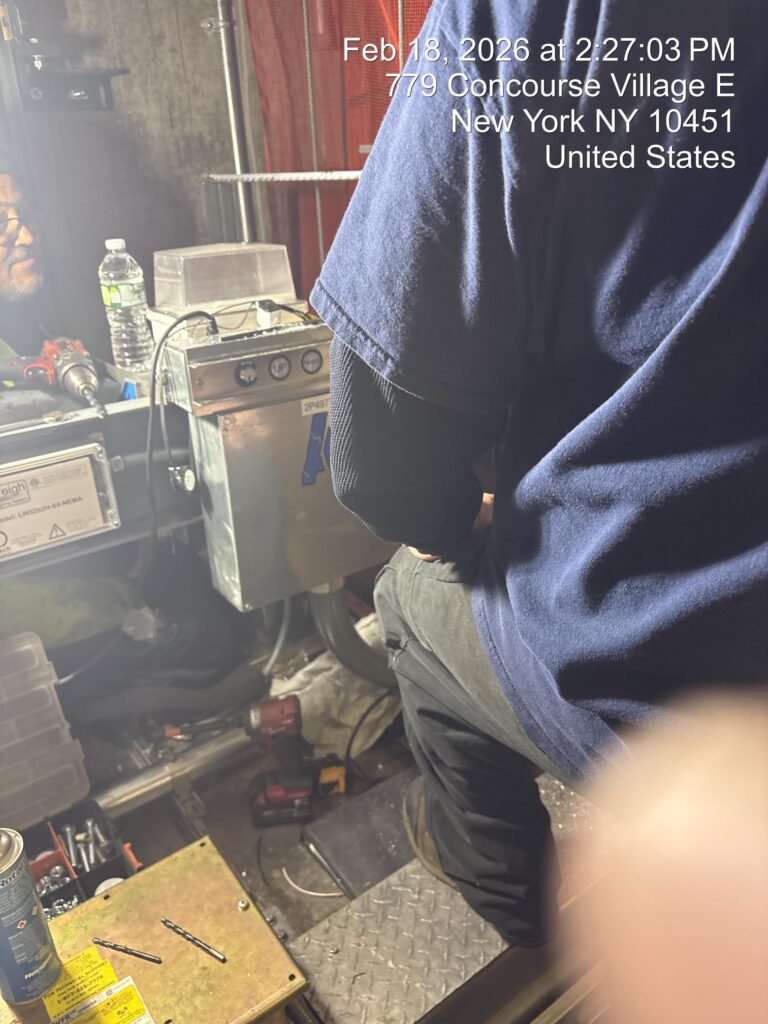
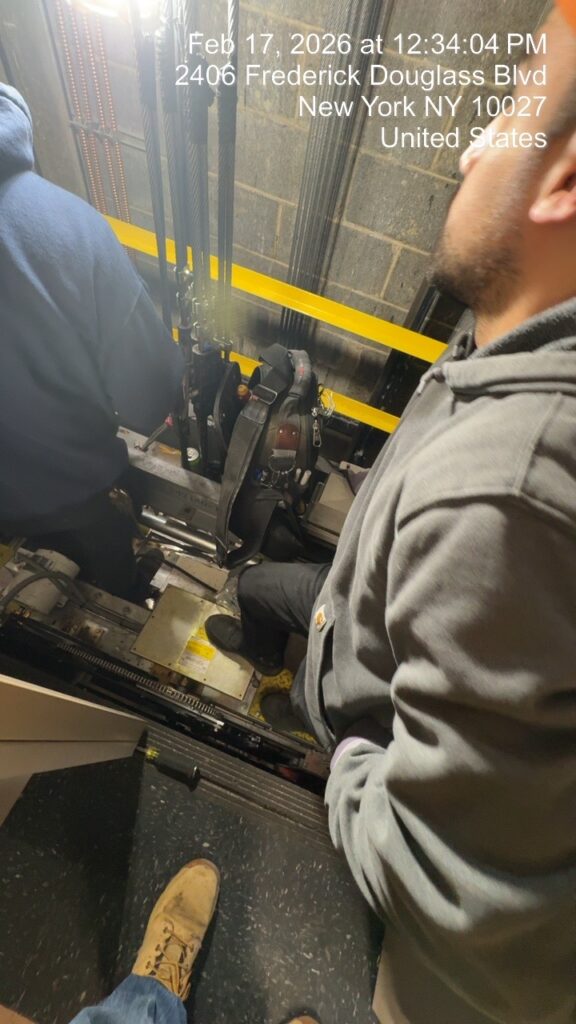
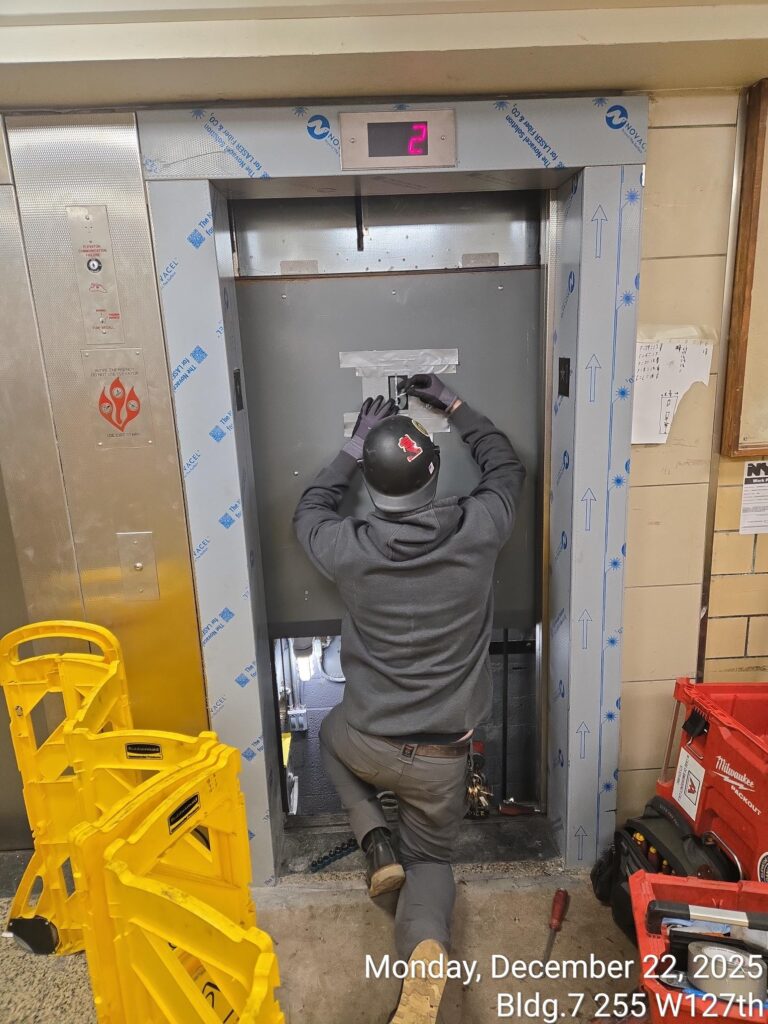
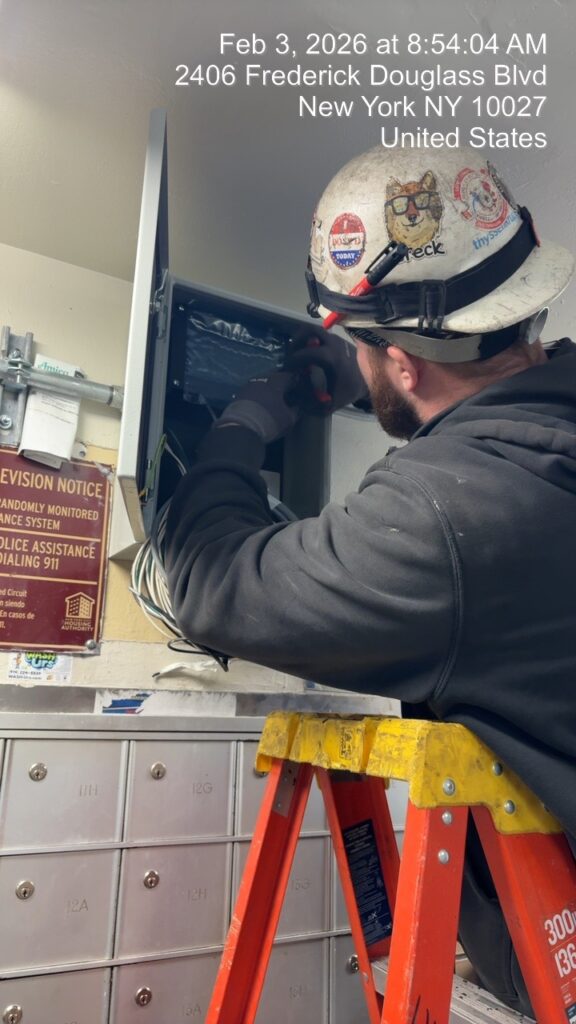
As of December 2025, NYCHA has replaced more than 275 elevator cars
in developments across New York City.
“Elevators are a huge part of residents’ daily experience,” said Joy Sinderbrand, who helps lead this work on behalf of NYCHA’s Asset and Capital Management (A&CM) team. “Many of our elevators were quite old — in most cases, they had been in service since the buildings’ original construction – and many needed full replacement.”
While elevator upgrades are common in building management, the scope of NYCHA’s effort is anything but routine. Unlike private property owners that may replace one or two elevators at a time, NYCHA is modernizing elevators at an extraordinary scale — across many buildings simultaneously, all fully occupied — as residents continue to live their lives while the work gets done.
“It is an enormous effort,” Ms. Sinderbrand said. “I can’t say for certain that this is the largest elevator replacement program in the entire world, but I am pretty sure that there is no other property owner in this country who would even have the opportunity to do this level and breadth of work — replacing hundreds of elevators, in fully occupied buildings, at scale. It’s huge!”
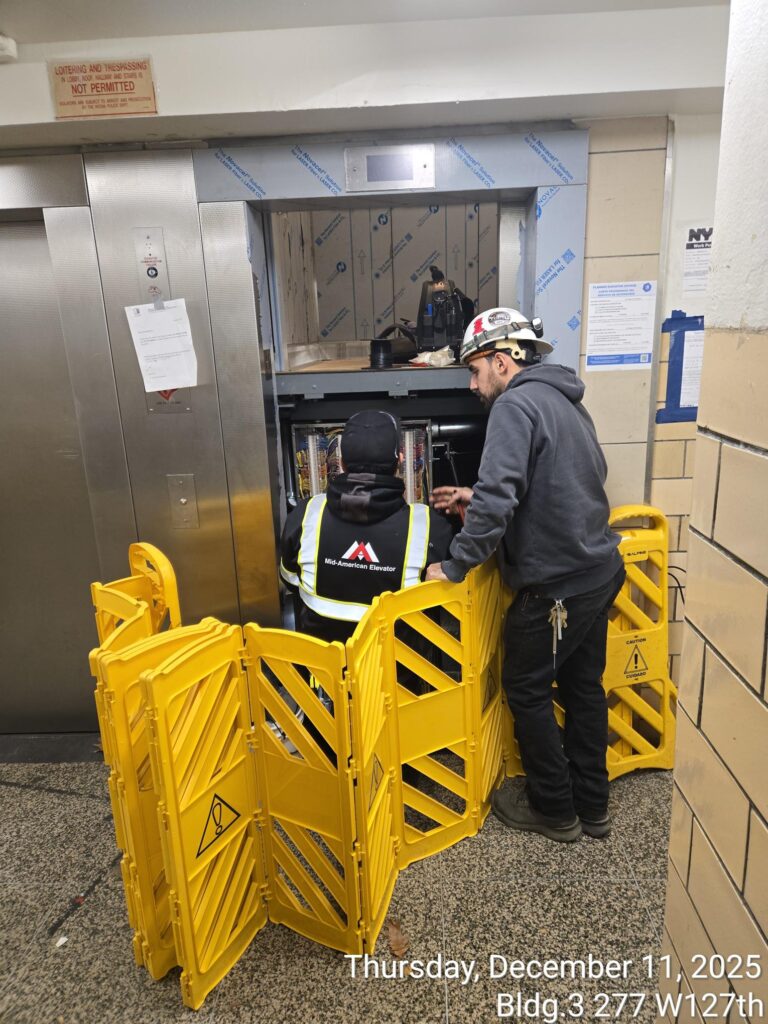
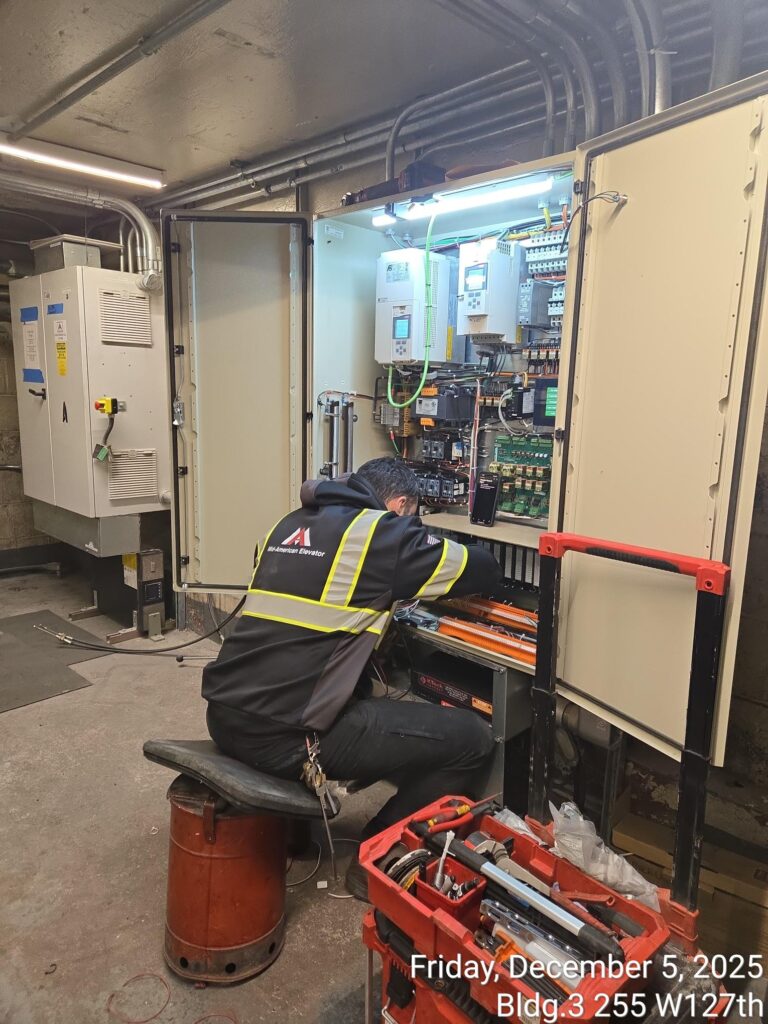
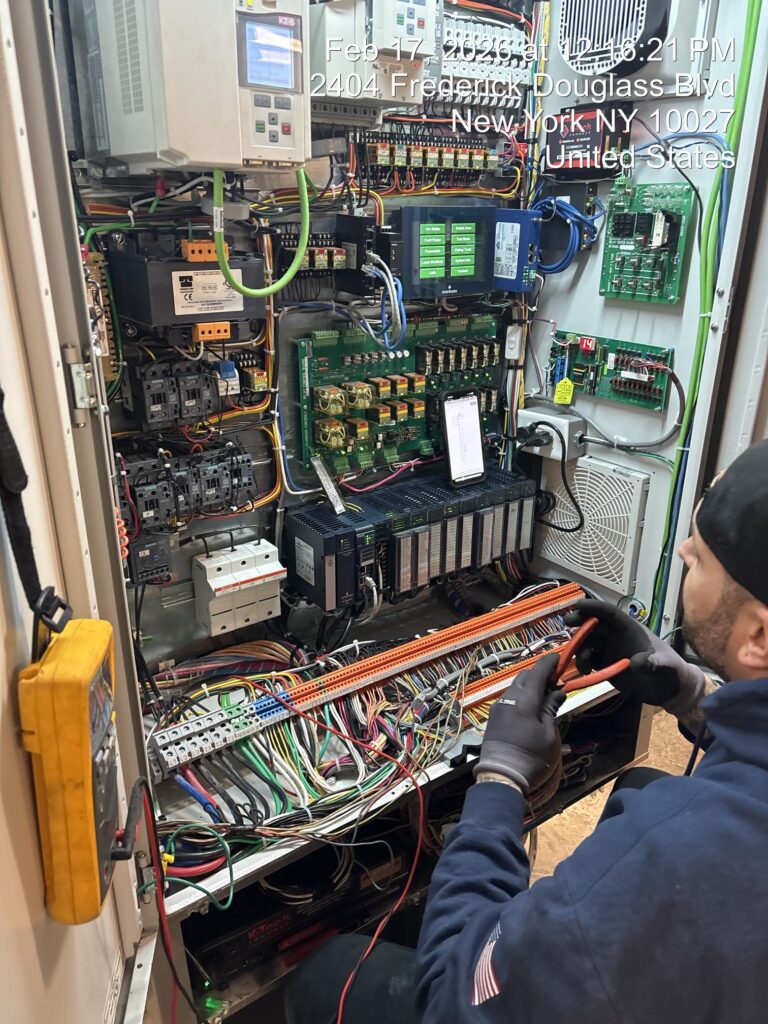
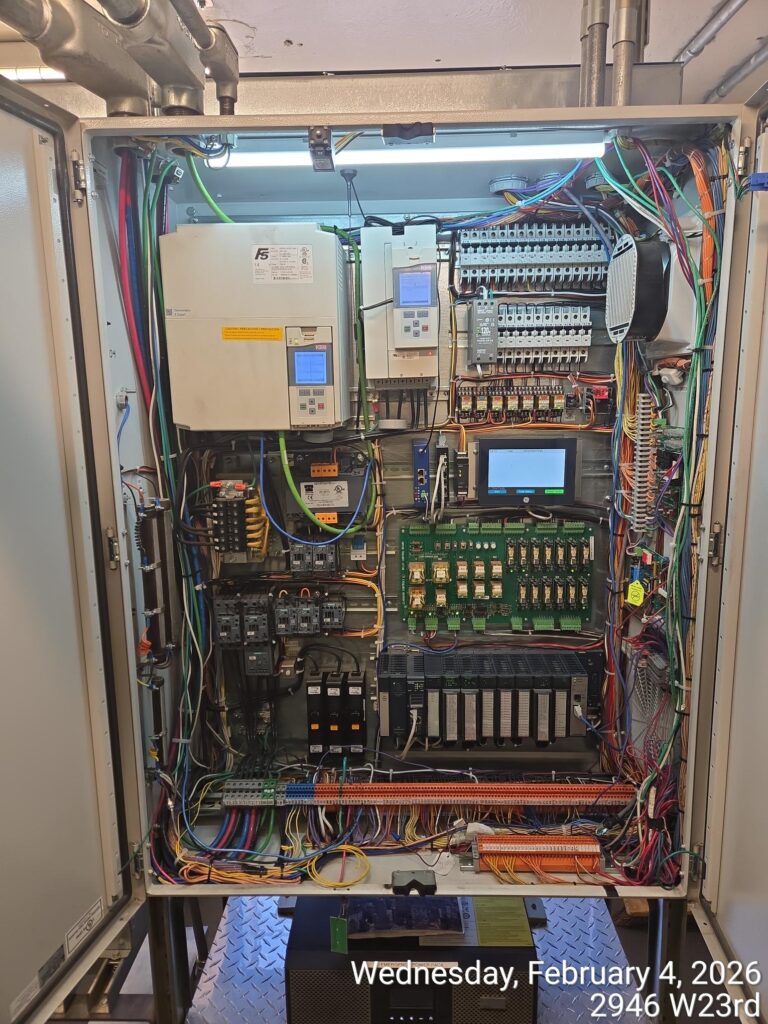
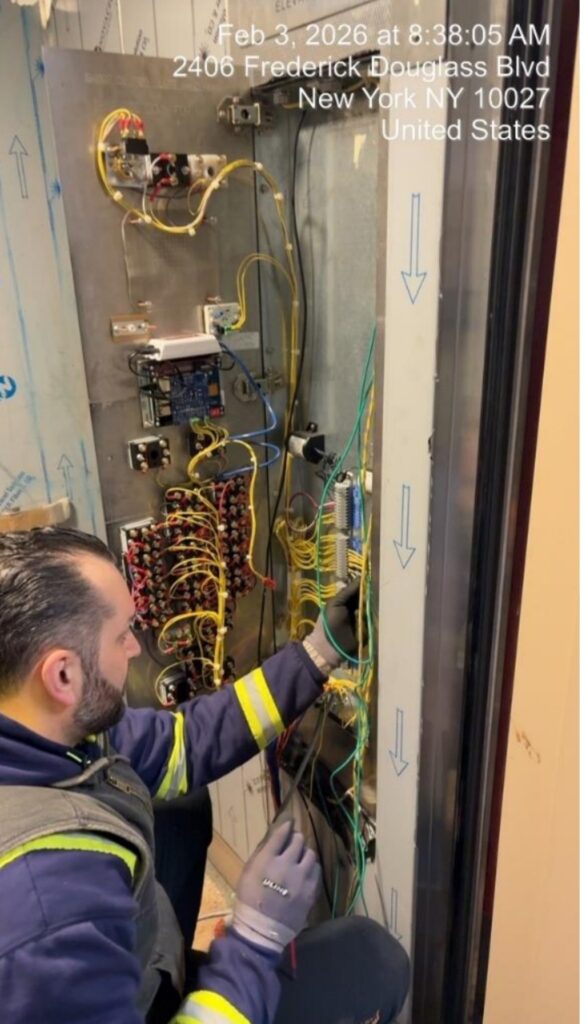
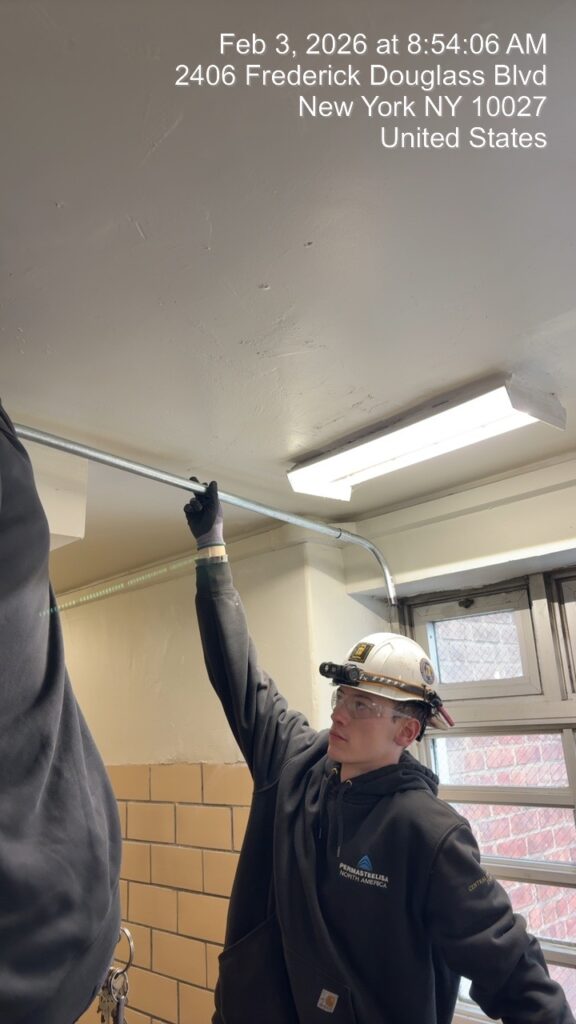
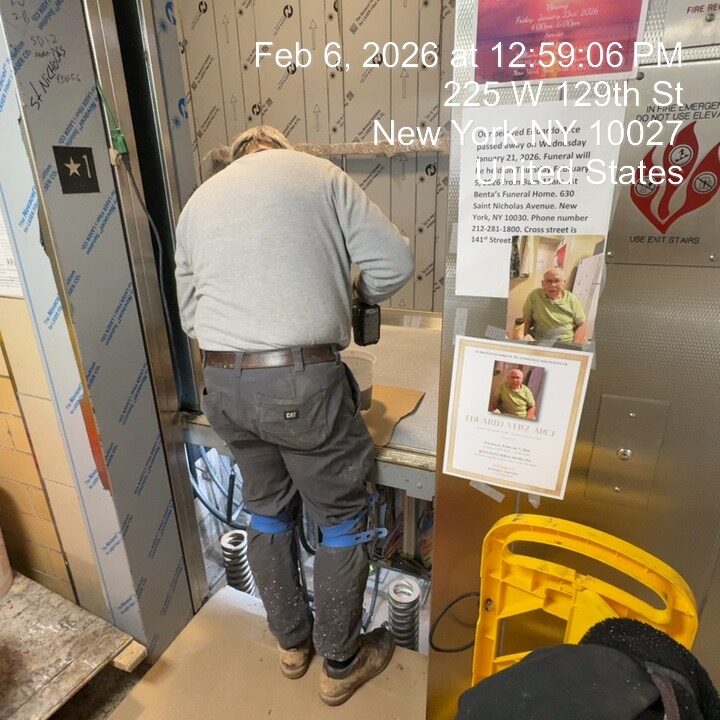
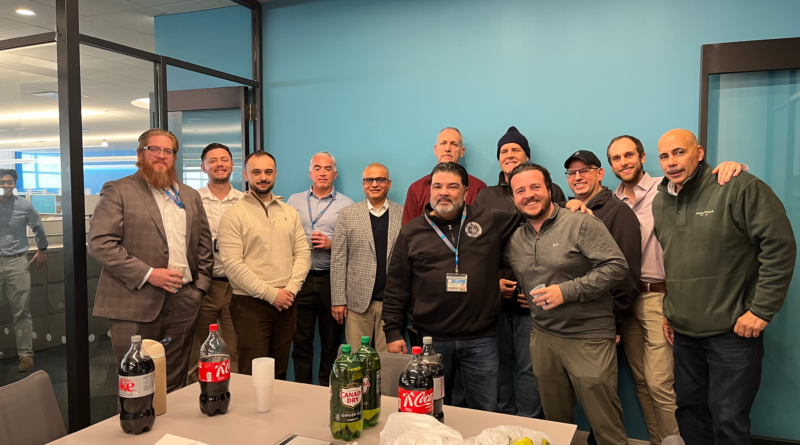
The A&CM and ESRD teams have done more than reach a major milestone; they have established a protocol that will
ensure that this program can continue smoothly into the future.
That scale translates into daily operational complexity. Elevator replacement requires strict safety protocols, detailed scheduling, inspections, and coordination across multiple teams — while striving to minimize disruption for residents who feel every outage immediately.
“This milestone proves what’s possible when disciplined execution meets true collaboration,” said Chirag Patel, A&CM’s Vice President for Program Management. “Delivering elevator replacements at this scale — safely, in fully occupied buildings, with residents at the center — requires extraordinary coordination. These teams have risen to the challenge.”
Indeed, the extraordinarily effective collaboration between A&CM and NYCHA’s Elevator Service and Repair Department (ESRD), which is responsible for keeping elevators operating safely across a massive portfolio, has been indispensable to this success.
“ESRD is a truly exceptional group, probably the best in all of New York City,” Ms. Sinderbrand said. “These guys make their own parts. They train their own people. They are a crack team.”
“A&CM delivered the planning and construction milestones, and ESRD delivered the performance expectations — testing, verifying, and stepping in with technical expertise wherever resident needs were impacted,” said Marco Acevedo, ESRD Director. “That collaboration is something residents may never see, but they will reap its benefits every day.”
“This achievement demonstrates the remarkable outcomes that come from focused execution combined with genuine teamwork from A&CM and ESRD,” said Richard Meyers, Deputy Director of A&CM Capital Projects Project Management Team 2. “Completing elevator replacements of this magnitude — while maintaining safety, keeping buildings fully operational, and prioritizing residents — demanded exceptional coordination throughout the process, and these teams truly stepped up to make it happen.”
Over time, this partnership has done more than merely reach a milestone – it has established a standardized, repeatable protocol for installation, inspection, feedback, and turnover, ensuring that this program can continue smoothly into the future.
Ms. Sinderbrand also emphasized the critical role of Property Management in supporting residents throughout the process. “Our other main partner — the final leg of this stool, really — is Property Management,” she said. “Any property where we were doing elevator replacement, Property Management provided support and made it possible.”
Resident education has also been essential as these new, sophisticated systems come online. “Residents are learning a new language of elevator use,” Ms. Sinderbrand said. “Like, for example, not holding the door open for a long time.”
With many more elevators still to be installed, NYCHA is not simply marking a milestone in this elevators-replacement process — it is building momentum.


