
NYCHA’s CFO Annika Lescott-Martinez Urges Continued Federal Support at NYU Furman Center Housing Panel
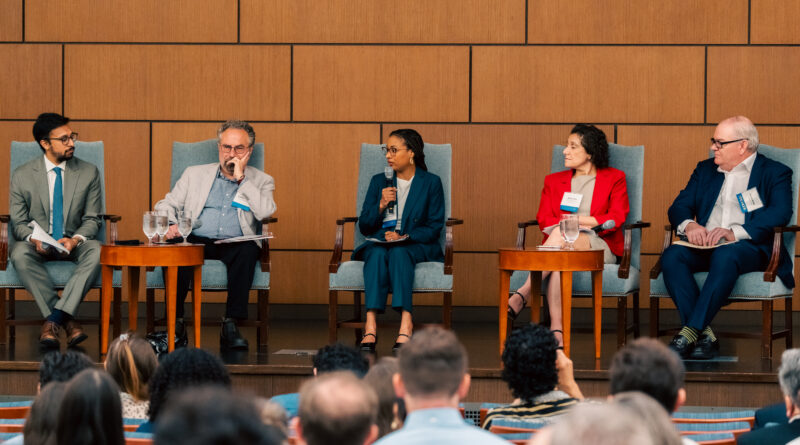
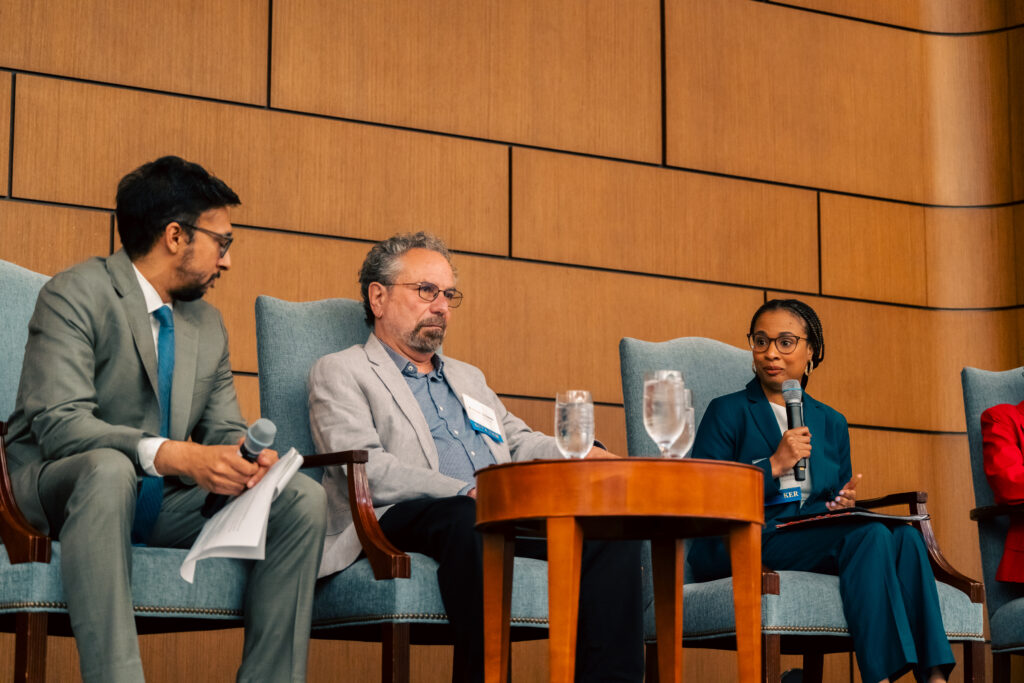
At a June 5 panel on “Federal Housing Programs in New York City” hosted by the NYU Furman Center, Annika Lescott-Martinez, NYCHA’s Chief Financial Officer and Executive Vice President of Finance, spoke about the critical role of federal funding in supporting public housing in New York City and how proposed federal funding cuts would affect the Authority.
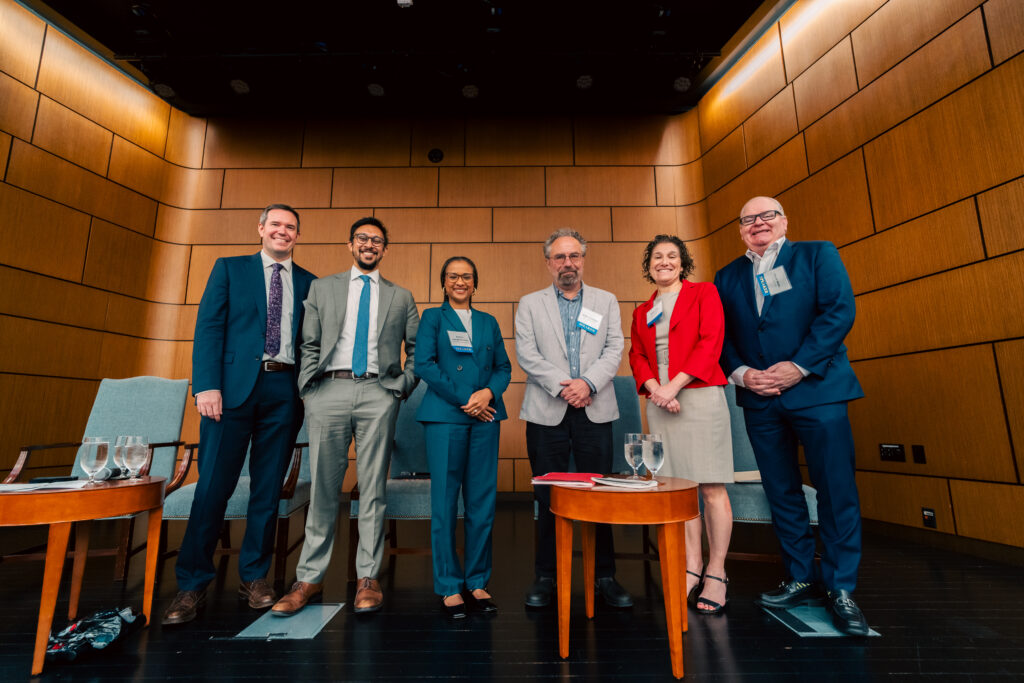
Moderated by New York Times reporter Mihir Zaveri, the panelists who joined Ms. Lescott-Martinez included NYC Department of Social Services Commissioner Molly Wasow Park; Professor Andrew Scherer, Policy Director of the Wilf Impact Center for Public Interest Law at New York Law School; and David Walsh, Managing Director of Community Development Real Estate and Head of the East Coast Region at JPMorgan Chase.
The event was held in conjunction with the release of the State of New York City’s Housing and Neighborhoods report from the Furman Center, which details how federal funding supports housing and homelessness programs in the city and considers the impact of proposed federal cuts.
Ms. Lescott-Martinez explained to the audience how NYCHA is funded, receiving approximately 60 percent of its operating budget from federal sources for public housing and to administer Section 8 vouchers. She discussed the federal government’s disinvestment in the Authority over the decades – in the last 10 years alone, NYCHA has been underfunded by half a billion dollars.
The proposed federal budget cuts seek to combine public housing, Section 8, and various programs for the elderly, disabled, and homeless into one program while also cutting those programs by $2.7 billion.
Responding to a question about how NYCHA is approaching this moment, Ms. Lescott-Martinez said: “Like many organizations in New York State and across the nation, we are still thinking about how this might affect our agency specifically and our residents, but I can tell you that a 43 percent cut for any agency would be disastrous. And for an agency of our size and scope that relies so heavily on federal funding, it’s pretty precarious.”
She warned that these budget cuts would mean “delayed wait times, delayed capital projects, cuts to critical services for our residents,” and called for continued engagement. “We need that spirit of advocacy. We need to continue discussions with the federal government. We have a very deep and longstanding mission to keep folks housed. That is our primary goal, and also to house them in decent, safe, sanitary conditions. We can’t make good on that mission without a robust federal commitment.”
Ms. Lescott-Martinez pointed to NYCHA’s Permanent Affordability Commitment Together (PACT) program as an effective model for revitalization. “That is a proven model that allows us to work with private investors who want to help us revitalize public housing and put it on a stable path. But we need Section 8 vouchers to do that…without the Section 8 funding, those deals can’t go forward.”
When asked what she hopes to see in the future, Ms. Lescott-Martinez said full funding for public housing, continued full funding for the Section 8 program, support of the PACT program, and in general, I’d like to see support for public housing authorities across the nation to continue to make good on the promise to keep people housed.”


